
Iriomote Island Guide 2026: Ohara vs Uehara, Mangroves & Waterfalls

Iriomote is not another Taketomi. This large, forested island is about mangrove rivers, waterfalls, wildlife and guided nature adventures. If you only have one day, choose your activity and ferry port before buying tickets.
This is an independent guide from an Ishigaki-based travel professional, not a paid promotion for an Iriomote tour company. Some sensitive nature areas have legally enforced visitor caps and entry approvals; follow the rules.
Ohara or Uehara? The most important ferry decision
Ohara Port serves the southeastern side of Iriomote, while Uehara is in the north. They are far apart by road. Your activity provider’s meeting port matters more than which ferry looks convenient. Do not book one port and expect to walk to the other.
Typical crossings from Ishigaki take about 40–45 minutes to Ohara and 45–50 minutes to Uehara. The Uehara route is particularly vulnerable to rough northern seas. When it is cancelled, alternative travel via Ohara may be offered, but shuttle eligibility, cost and timing must be confirmed with the operator and your tour provider.

Yaeyama/Ishigaki regional scenery for illustration; not a photograph of a specific named attraction.
Six experiences worth planning around
1. Mangrove kayaking or SUP
Paddling through mangrove waterways is a signature Iriomote experience. Difficulty, tides, age limits and duration vary by route. Book a qualified guide with appropriate safety equipment and insurance.
2. Pinaisara Falls — check entry approval first
Pinaisara Falls lies in the Hinai River designated nature area. Since March 2025, entry limits and advance approval requirements apply; a registered qualified guide is normally required. Ask your operator to confirm the necessary approval. Do not enter independently without authorization.
3. Urauchi River boat trip
The Urauchi River offers expansive mangrove and forest scenery. Boat services and trails depend on conditions. Entering designated upper-river or cross-island trail areas can require additional approvals.
4. Yubu Island and water-buffalo carts
Near eastern Iriomote, a water-buffalo cart crosses shallow water to Yubu Island’s subtropical gardens. This is a gentler option for families or visitors who prefer not to do a long jungle hike. Check opening times and transport.
5. Star Sand Beach
This beach is known for its shoreline and marine scenery. Swimming and snorkeling conditions change with tides and currents. Do not step on coral or touch marine life.
6. Wildlife and responsible night walks
The endangered Iriomote wildcat is protected and never guaranteed to appear. Drive carefully, especially at night, and do not chase, feed or disturb wildlife.
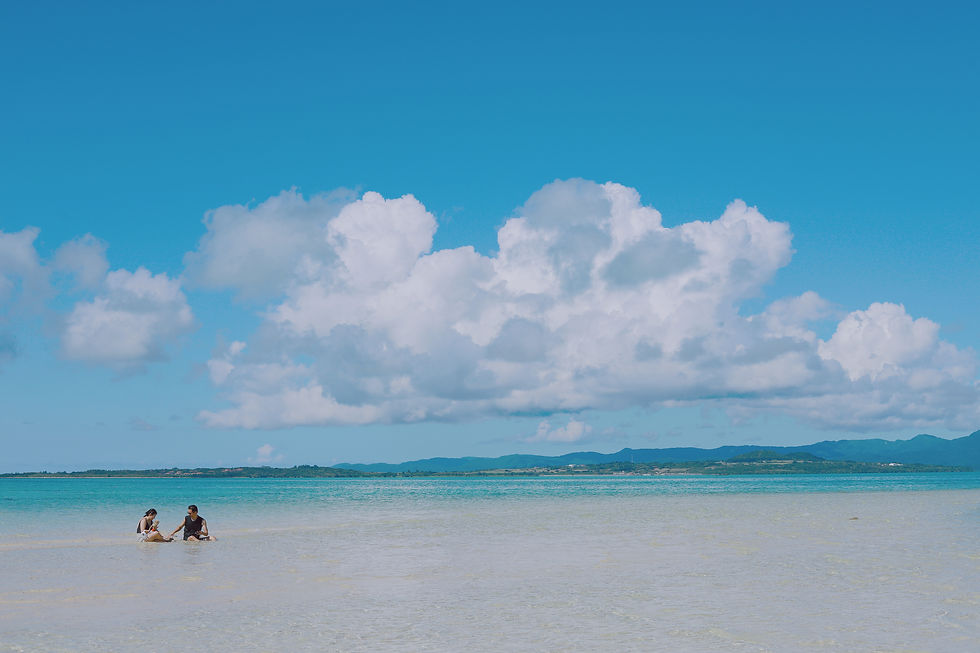
Yaeyama/Ishigaki regional scenery for illustration; not a photograph of a specific named attraction.
World Natural Heritage and restricted entry areas
Five designated sensitive nature areas — Hinai River/Pinaisara, Nishida River/Sangara, Komi-dake, upper Urauchi River and Tedo Mountain — have advance application requirements, daily visitor limits and guide or training conditions. This does not mean the entire island requires a permit, but these specific places do.
Suggested itineraries: pick one main theme
Route A: mangroves and a permitted waterfall trip
Morning ferry to the port specified by your guide → operator pickup → mangrove paddle and appropriately approved waterfall trek → lunch → return ferry. Confirm fitness, tides, permits and timing with the guide.
Route B: a gentler family day on eastern Iriomote
Ferry to Ohara or the port your operator specifies → Yubu Island buffalo cart and gardens → lunch → return by the last suitable ferry. Often easier than a demanding waterfall trek for younger children or older relatives.
Route C: two days, one night
Day one: mangrove or Urauchi River activity. Overnight on Iriomote. Day two: beach or Yubu Island, leaving room for weather and transport changes. Reserve accommodation and meals early in busy seasons.
Transport, clothing and packing tips
Iriomote is too large to explore entirely by bicycle. Public buses are infrequent; a rental car or guided tour with transfers is often more practical. Pack water, sun protection, insect repellent, secure water-friendly shoes, dry clothes and a waterproof bag. Flip-flops are not suitable for jungle trekking.
Costs and advance reservations
Budget for return ferries, transfers or car hire, guided activities, food and any accommodation. For popular restricted waterfall areas, a tour opening alone does not guarantee entry approval; ask the operator how permits are arranged.
Frequently asked questions
Can I explore Iriomote independently?
Yes in general open-access areas, but designated restricted nature sites require proper authorization and conditions. Guided transfers are often the easiest first-visit option.
Does a cancelled Uehara ferry mean Iriomote is inaccessible?
Not always. Ohara may still be operating, but the alternative must work with your guide’s pickup and ferry operator’s arrangements.
Is one day enough?
Enough for one main guided activity and a little sightseeing. Two days offer more room for forests, beaches and nature.
Related guides and official rules
Explore Ishigaki with StarlitSeas Travel
The island guides above are independent editorial content, not paid ferry or activity placements. The following are our own Ishigaki-based services: sea turtle snorkeling, kayaking/SUP, private island guiding and stargazing photography. These are Ishigaki activities, not a claim that we operate permitted Iriomote restricted-area treks or guarantee inter-island transfers.
Contact StarlitSeas Travel
Questions about planning an Ishigaki base and island-hopping days? Message us on Instagram, LINE or WhatsApp. WeChat ID: StarlitSeas.

Reviewed October 2026. Always check current ferry status, local access regulations and provider booking terms before travel.


留言